



xmascarol
by Kristin Ivie on Tuesday, July 28, 2009 - 2:15pm
Social change agents of all generations are embracing social media and applying it to their causes, and the Millennial Generation is beginning to own it as the mode of activism that fits them. Social media has helped equip our generation with options beyond striking, boycotting and marching for our causes, as well as made it easier to organize some of these more traditional events. At the same time, there is some concern that this is also encouraging a less committed virtual bumper sticker era of activism.
During my interview with Justin Dillon for the Social Citizen Sighting series, I was struck by his reflection on activism 1.0 as the tendency to want to have one big event/concert/race/march, but not be involved on an ongoing basis, not maintaining a relationship with a nonprofit where you are committed to a cause, committed to solving a problem - like human trafficking, genocide, malaria, peace in the Middle East.
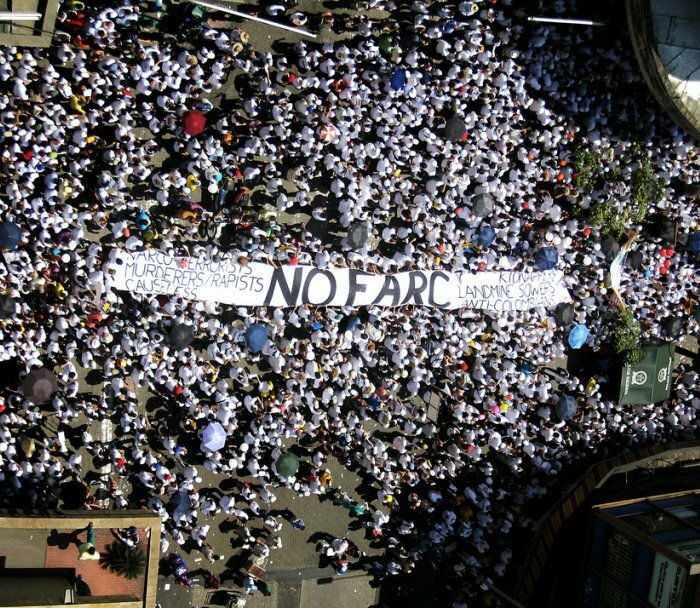
That's not to say that grand gestures cannot be meaningful and impactful. No Mas FARC, the mass protest against the Colombian Revolutionary Armed Forces organized via Facebook drew worldwide attention to the injustice Colombians had suffered for years. More than 5 million people in more than 100 cities around the world marched together, a gesture both significant and moving. Big one-time events can be used strategically, but mega-concerts and boycotts do not a movement make.
When we are honest, sometimes these events can be more about how they make us feel - as part of a meaningful movement, a suffering group of martyrs. Research on what motivates people to give shows that people are more likely to give when there is a difficult event or action required along with the donation. Known as the martyr effect, it argues that we actually like to suffer because it makes our contribution feel more meaningful. But we cannot participate in a couple of strikes or protests over the course of a decade and think that’s the best way to make the world a better place.
Then what's activism 2.0? Models like Justin's Call+Response and The Extraordinaries efforts suggest that it's fitting into people's everyday routines and finding ways for people to use technology and social media to habitually contribute to social change with small, practical acts - and, often, clicks. The ideal is a place where people integrate activism and supporting their causes into their regular routines – using downtime at the airport to send emails for their cause, donating at the grocery check-out counter, asking friends to charitini for their birthday. Those sharing lessons from the Obama campaign, and others, are stressing that we have to connect this online support to offline action and opportunities. Social media has certainly increased our awareness of causes that need our help, as demonstrated by our growing pile of requests to join a Facebook Cause or turn your avatar green or add a yellow bracelet.
But some fear that this mode of activism is vulnerable to the other, arguably worse, extreme. Slacktivism and bumper sticker philanthropy have also been made easier by social networking. You can tweet about a cause or vote for them in a Facebook contest without really ever engaging with the organization or feeling that you are responsible for its success, so do all these little acts really help? Scott Henderson says it can. Awareness eventually sparks engagement, and social signals regarding systemic problems can facilitate conversation. These easy clicks are introducing Millennials to causes in which many of them will eventually further engage. The cause for caution is that most real change takes more than a few clicks. When those clicks don’t actually produce action and change, people grow understandably cynical.
But we have to recognize that just because someone is using social media as a part of their "strategy" does not automatically mean they are using it strategically. There are ways to waste time with campaigns that, in the end, don't really bring about social change, but there are ways to waste time with direct mail and organizing rallies too. This flaw is not that the tools are ineffective; it’s rather a misuse and missed opportunity by the organization. As Ivan Boothe said in a recent post, we have to look at this technology as a tactic, only truly effective when part of an overall strategy for change.
So, how do we find the balance in this generation's appetite for activism? Can someone really be eased into a cause? Or are we inviting the Millennial Generation into a life of passive - and ineffective - involvement?
blog comments powered by Disqus