


Photo courtesy of AFP
This week, we take a look at the development and fundraising sector and explore how the next generation is shaping this profession, issue area, and field--both as stewards of this department and as contributors and philanthropists. Guest bloggers who are thought leaders in this sector share their ideas on what is to come.
Calling All Millennial Fundraisers
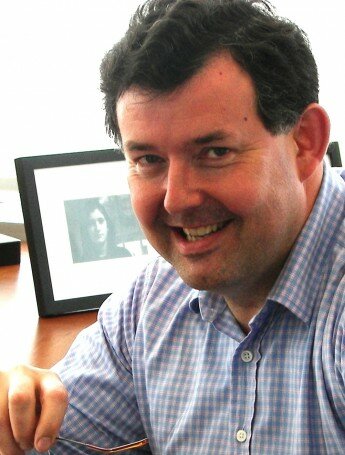
Andrew Watt is the president and CEO of AFP - the Association of Fundraising Professionals. Andrew's worked in the social sector - professionally and as a volunteer - all his life. His driving focus has been on constructing a platform for change, educating the public, influencing change in public policy, and, above all, building a dynamic environment in which the social sector can thrive.
All knowledge and experience is dynamic: it’s a pity that can’t always be said of the way we apply it. All professions need to draw on the experience of every one working in their field if they are to remain strong and vibrant. A constant influx of new ideas and perspectives building on the existing body of knowledge ensures that we expand our reach and impact.
Fundraising is no exception. There are some aspects of our environment that should concern us. Our need for new professionals is more pressing than in many other professions. We are faced with a significant and well-documented shortage of fundraisers as the Baby Boomer generation and others begin to retire. That massive group of individuals will leave significant gaps—leadership and experience vacuums that will needed to be filled.
Fortunately for us and the charitable sector, we are now coming face to face with a group of people just entering the workforce that has shown more interest in philanthropy than any other previous generation: Millennials. They’ve had more philanthropic experience at an early stage—whether because of individual interest or school requirements—than any generation before them. And many of them are committed to driving social change and impact – social citizens.
Can we attract Millennials to the profession and the sector? Without a doubt. Can we keep them engaged and enthusiastic about philanthropy as a profession? They come to our workforce with a unique set of knowledge, skills, and perspectives that we have to understand in order to make this transition a successful one.
They’re committed to social change and impact – to “making it happen.”
Millennials are likely to have accessed more training and education in fundraising than any previous generation. Most current practitioners “fell” into fundraising, typically coming from another profession and learning on the job. In contrast, many Millennials have taken advantage of classes and degree programs focused on nonprofit administration, fundraising, and other areas, to say nothing of knowledge they’ve gained through their volunteerism.
Millennials’ experience and knowledge will massively benefit their first employers. But do we really think that they’ll be happy for a long time in the traditional starting jobs at most charities? With their backgrounds, they’ll expect to be doing more very soon, and charities will have to learn how to balance a Millennial’s desire and skills with the reality of their staffing and resource situations.
They will need opportunities to train in the different aspects of fundraising. In challenging economic times, the emphasis must be on creativity and innovation. Use them to review existing programs and get involved in the development of new initiatives. They’ll bring a fresh perspective, and in return you’ll be engaging them and developing their skills base.
Millennials believe their opinion should be listened to. That’s an attitude we’ll have to balance with the reality of our organizations. We need to build a culture of openness and engagement that celebrates all perspectives – with enthusiasm.
Critically, we need to use this generation’s skills; their technical abilities, the way they communicate, network, socialize – all of them to create a new lens on professional growth and advancement. Our role should be to build a platform to support the use of these skillsets, and to supply the framework in which they fit. That’s why AFP started its collegiate chapter program, offers a Young Professional membership, and is encouraging new mentoring programs both in our networks and in the world of nonprofits.
This isn’t an asset we can take for granted. We can’t take this generation for granted. We have to work with them and encourage them to get involved with the broader fundraising and philanthropic communities. But if we do, we ensure that the foundation previous generations have established will be the springboard for the future.